
Multi-platform CRM · UAE
One pipeline, whatever the lead came in on.
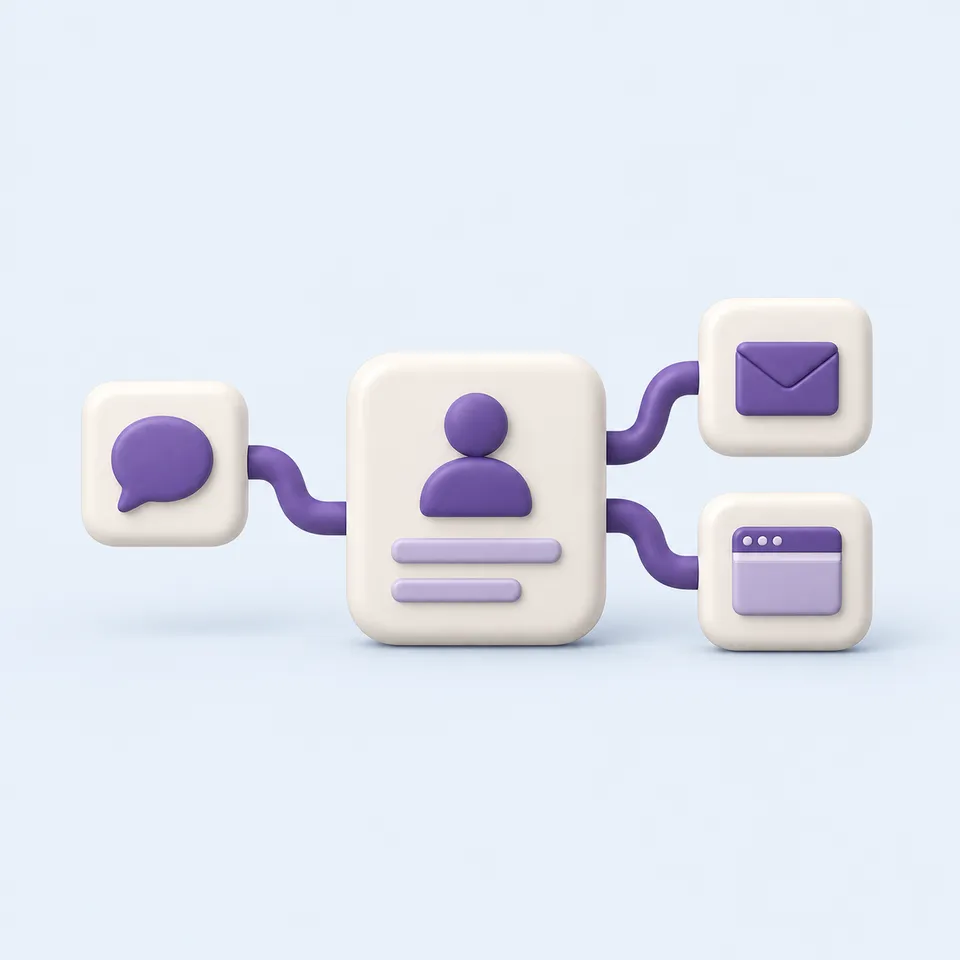
Every channel writing into one pipeline, with the source and the conversation still attached.
Start on WhatsApp. No obligation.
What is included
What the work covers
The integration itself, and the decisions that have to be made before it is worth building.
-
Every channel into one pipeline
WhatsApp, Meta lead forms, Google campaigns, website forms and live chat, each writing into the same place with the same fields.
-
Source and campaign attached
The lead arrives knowing which ad, which keyword and which page produced it, which is what makes a spend decision possible later.
-
The conversation travels with the lead
What the customer already said is on the record, so nobody has to ask it twice and nothing is retyped from a phone.
-
Fields, stages and de-duplication
A pipeline your team can actually read: agreed stages, required fields, and one record per person rather than four.
The problem is rarely the CRM
Businesses change CRM hoping to fix something the CRM was never doing. The records are thin because nothing fills them automatically, the source is missing because nothing passes it, and half the conversations happen somewhere the system cannot see. A new CRM inherits all three.
So the work starts with what feeds it, and the recommendation is usually to keep the tool your team already knows.
Multi-platform, specifically
In the UAE a single customer might see an Instagram ad, message WhatsApp, fill a form a week later and then call. That is one person and four events. Without matching, it is four leads, three of them wrong, and a pipeline that overstates itself.
Integration here means those four arrive as one record, in order, with the campaign that started it still attached.
What you are left with
A pipeline that fills itself, a lead that says where it came from, and a conversation history that survives somebody leaving the company. The last of those is worth more than it sounds.
What goes wrong
Why a CRM stops being used
Almost always for one of these reasons, and none of them is the software.
-
Leads have to be entered by hand
Anything that depends on somebody retyping a name at the end of a busy day is a system that will be half-populated within a month.
-
The same person exists three times
They messaged on WhatsApp, filled a form and called. Without matching, the pipeline count is wrong and two people call them.
-
The source is missing
Every lead says "WhatsApp", which is a channel, not a source. There is then no way to know which campaign earned it.
-
The stages describe the software, not the business
Stages inherited from a template that nobody mapped to how your team actually sells, so nothing sits in the right one.
-
WhatsApp is where the deal happens and the CRM cannot see it
The conversation that decided the sale lives on a phone. When that person leaves, so does the account history.
How it runs
How it runs
-
Map what you already have
Every route an enquiry currently takes, including the ones not officially in use. The personal numbers usually matter most.
-
Agree the pipeline before connecting anything
Stages, required fields and what qualifies a move between them. An integration built before this decision has to be rebuilt after it.
-
Connect channel by channel
One at a time, each verified end to end with a real enquiry, so a failure is traceable to the thing that just changed.
-
Hand over and document
Written down: what writes to what, what happens when a connection fails, and who to tell. Yours to keep and to hand to anyone else.
Questions
Asked before starting
Which CRMs do you work with?
Whichever one you already use, if it has an API or a supported integration route. The recommendation is nearly always to keep the CRM your team knows and fix what feeds it.
We do not have a CRM. Do we need one?
Not necessarily. Below a certain volume a shared pipeline and disciplined follow-up does the job. The question is whether leads are being lost, not whether you own the software.
Can WhatsApp conversations sync into a CRM?
Through the WhatsApp Business Platform, yes — messages, the number and the opt-in can be written to the lead record. We work with official WhatsApp Business Platform providers for that connection.
What happens to leads already in the system?
They stay. Existing records are matched and de-duplicated where that is safe to do automatically, and anything ambiguous is listed for a person to decide rather than merged quietly.
Who owns the integration afterwards?
You do. It is built in your accounts, on your subscriptions, and documented so that another supplier could take it over.
Where do your enquiries currently land?
If the answer is more than one place, the first job is to find all of them.